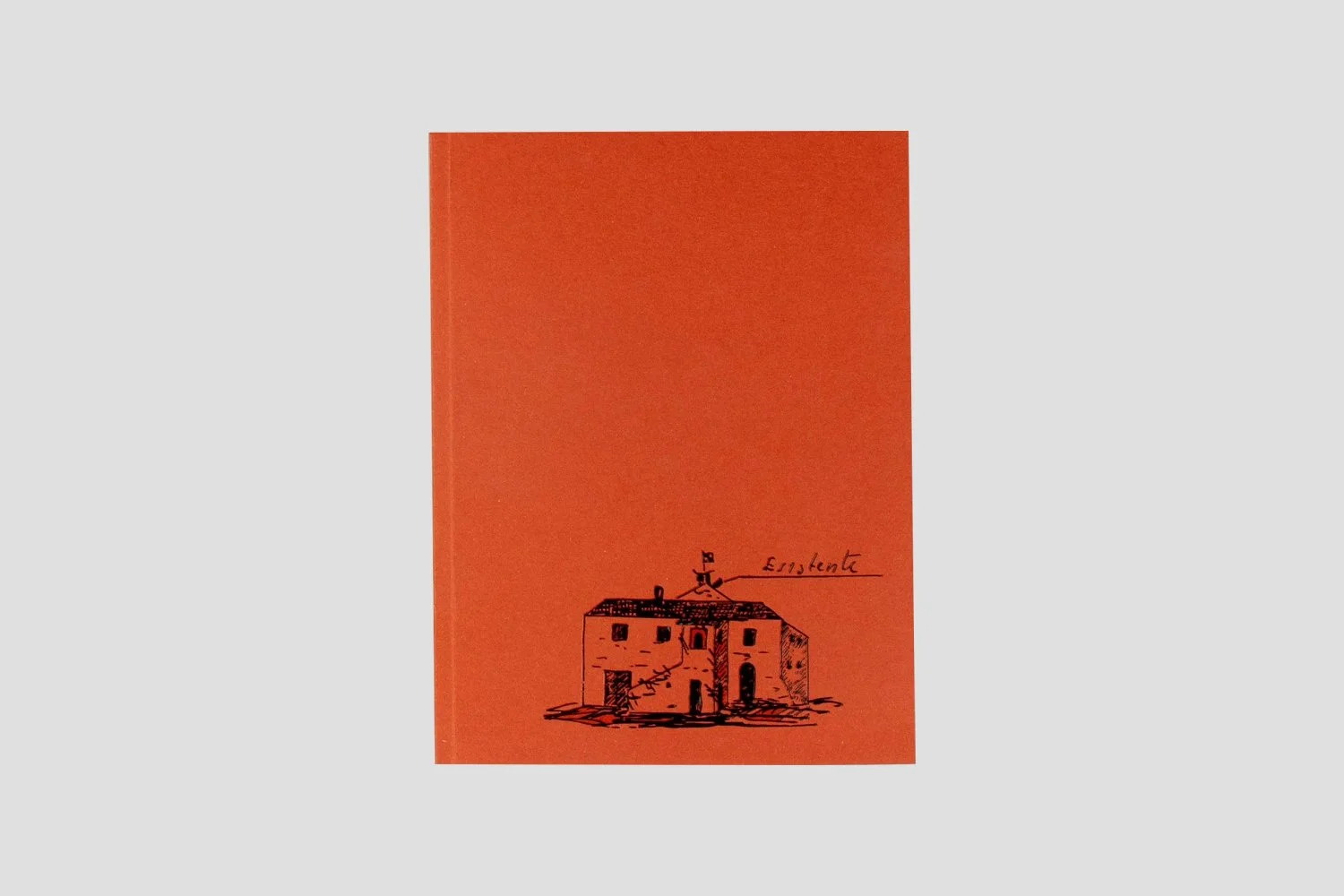
CASTELLIONE - NICOLE MARCHI
November 2025
16×21 cm
pagine: 224
ISBN 9788894895896
-
Progetto grafico Nicole Marchi
Con la collaborazione di ISIAU
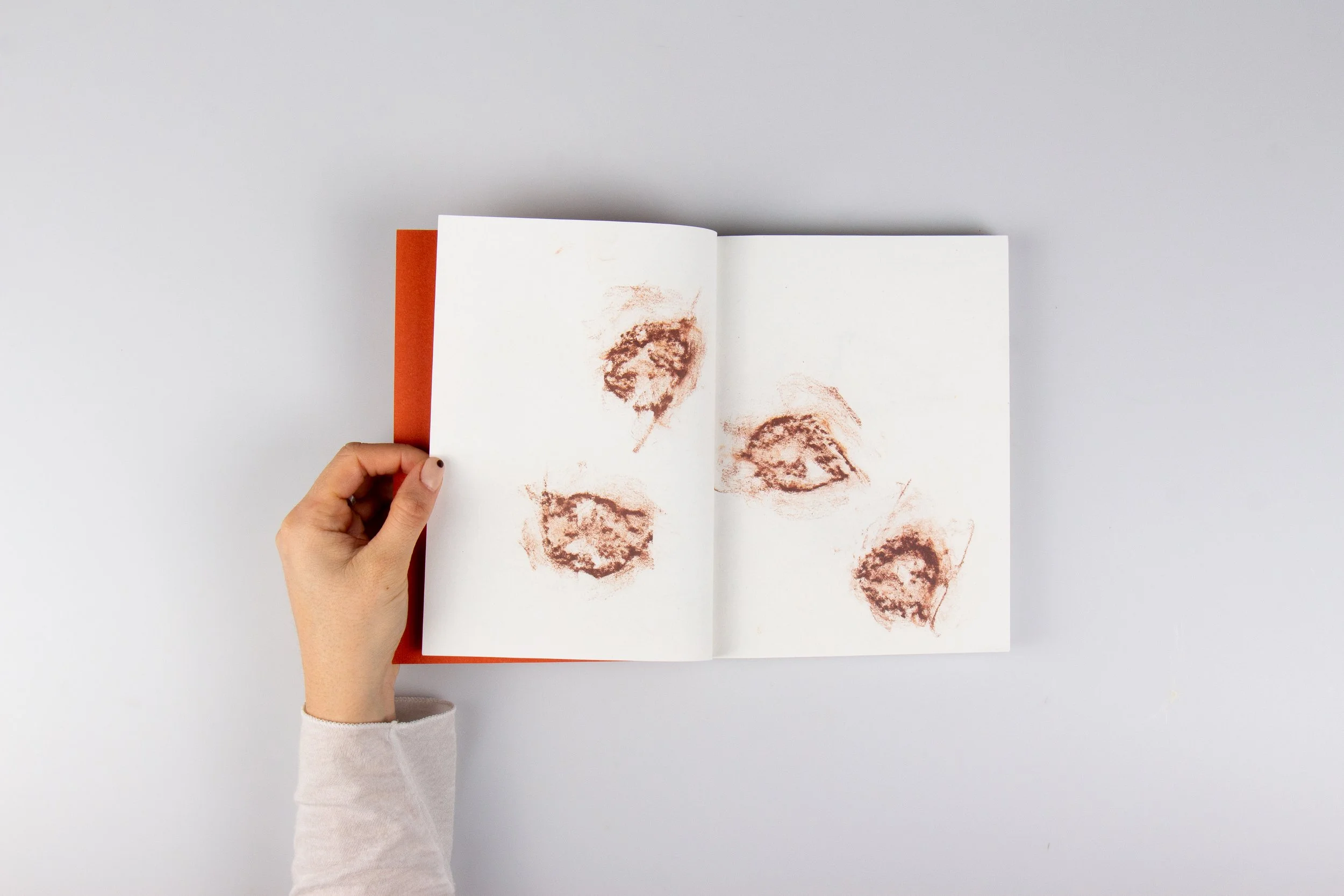
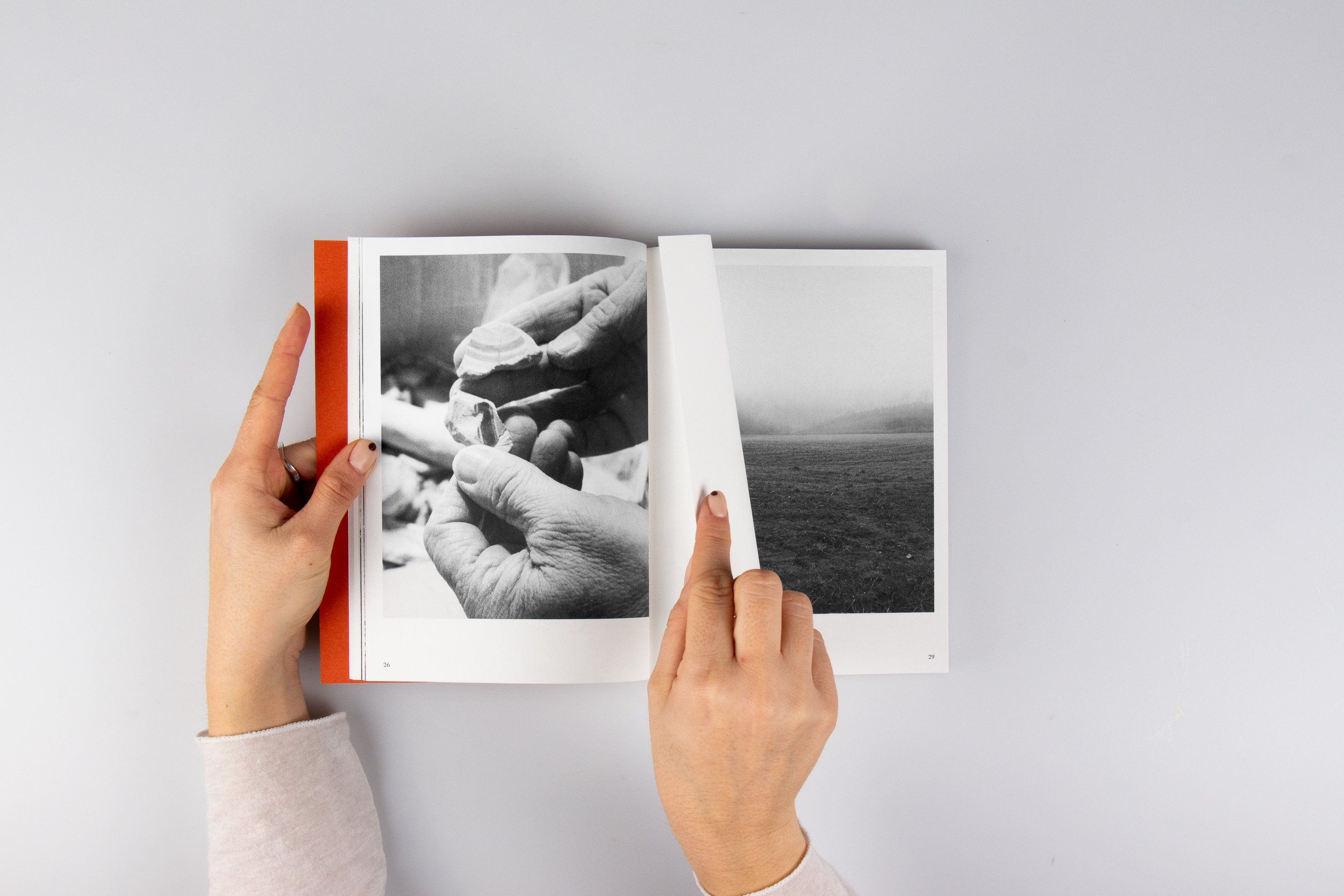
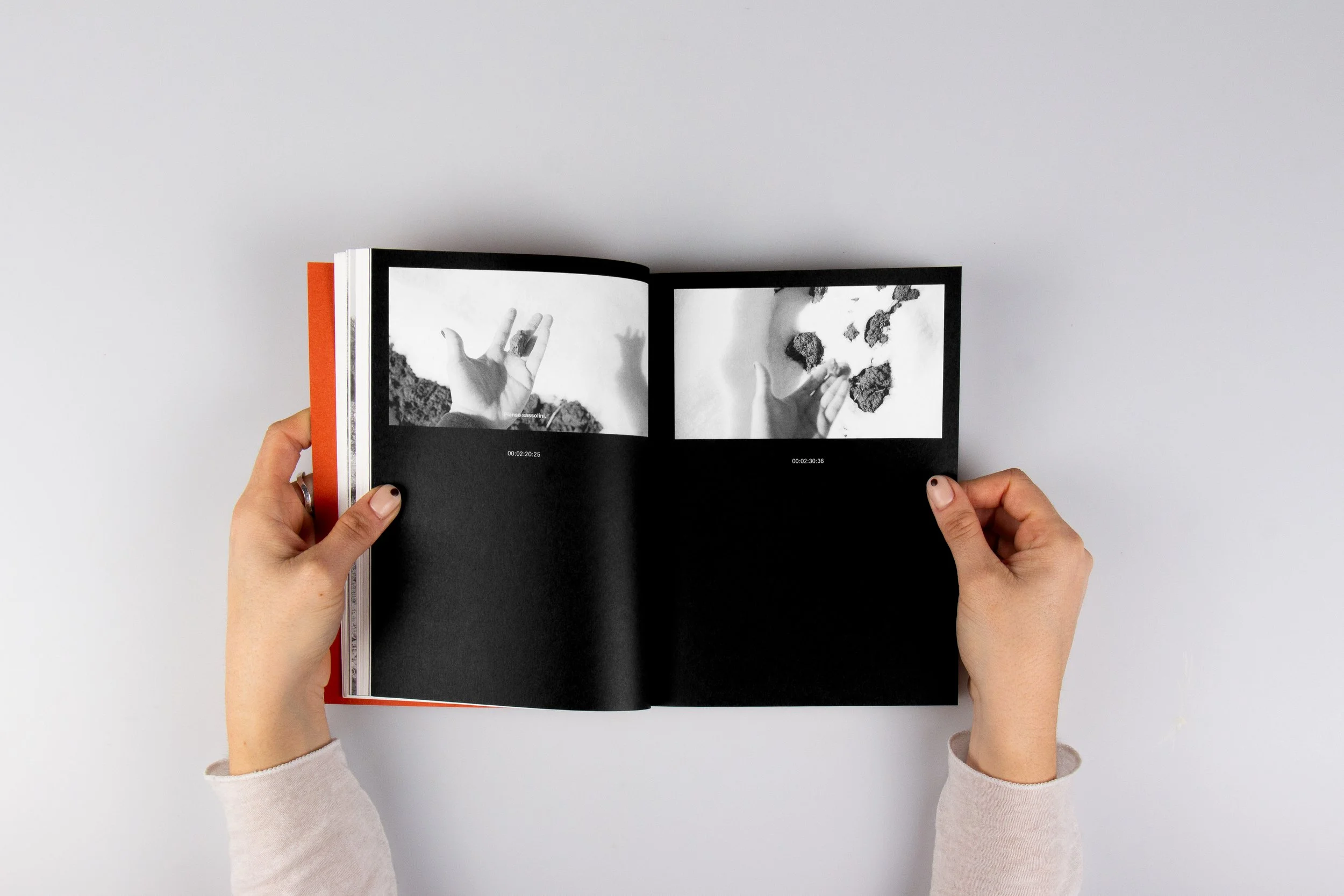
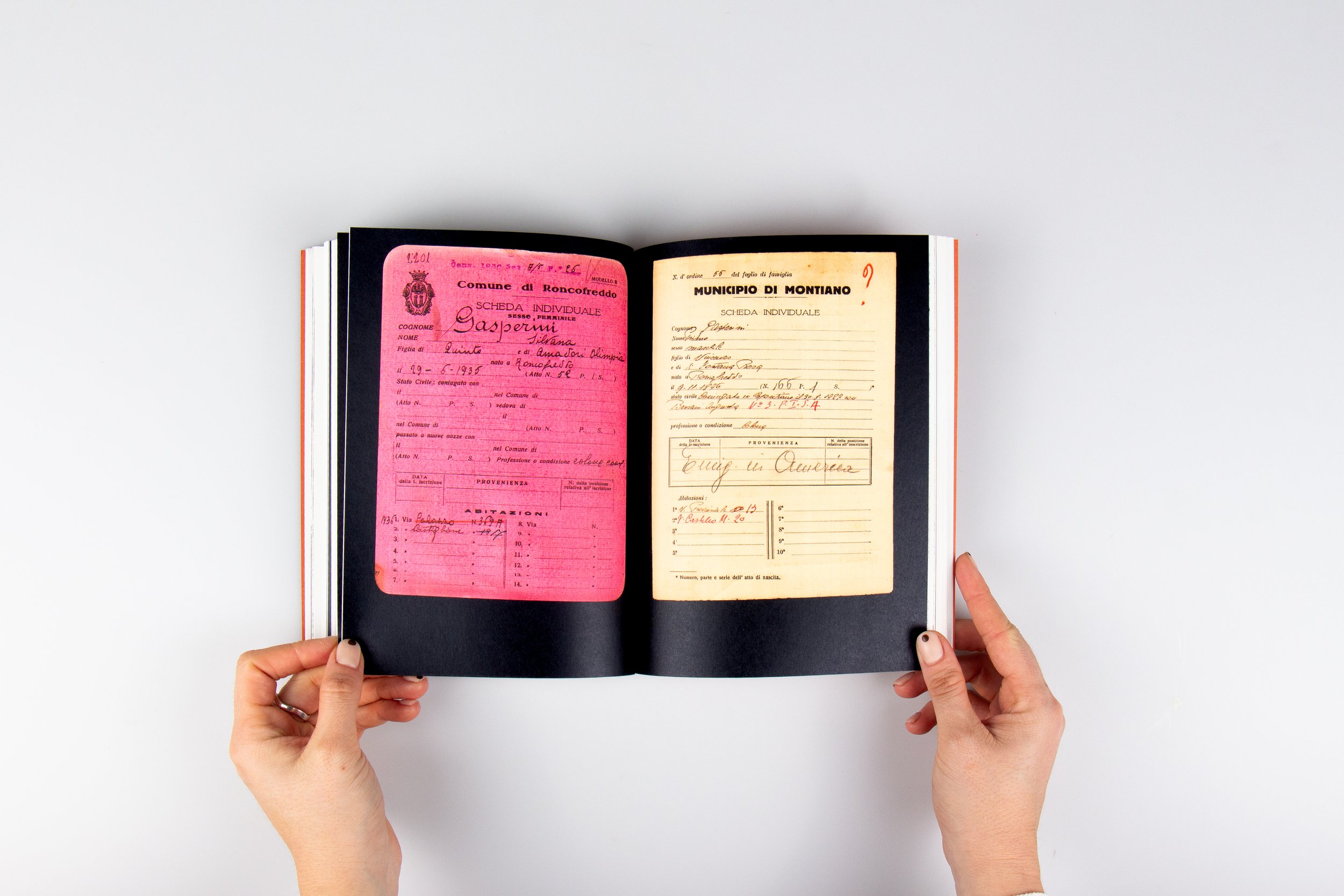
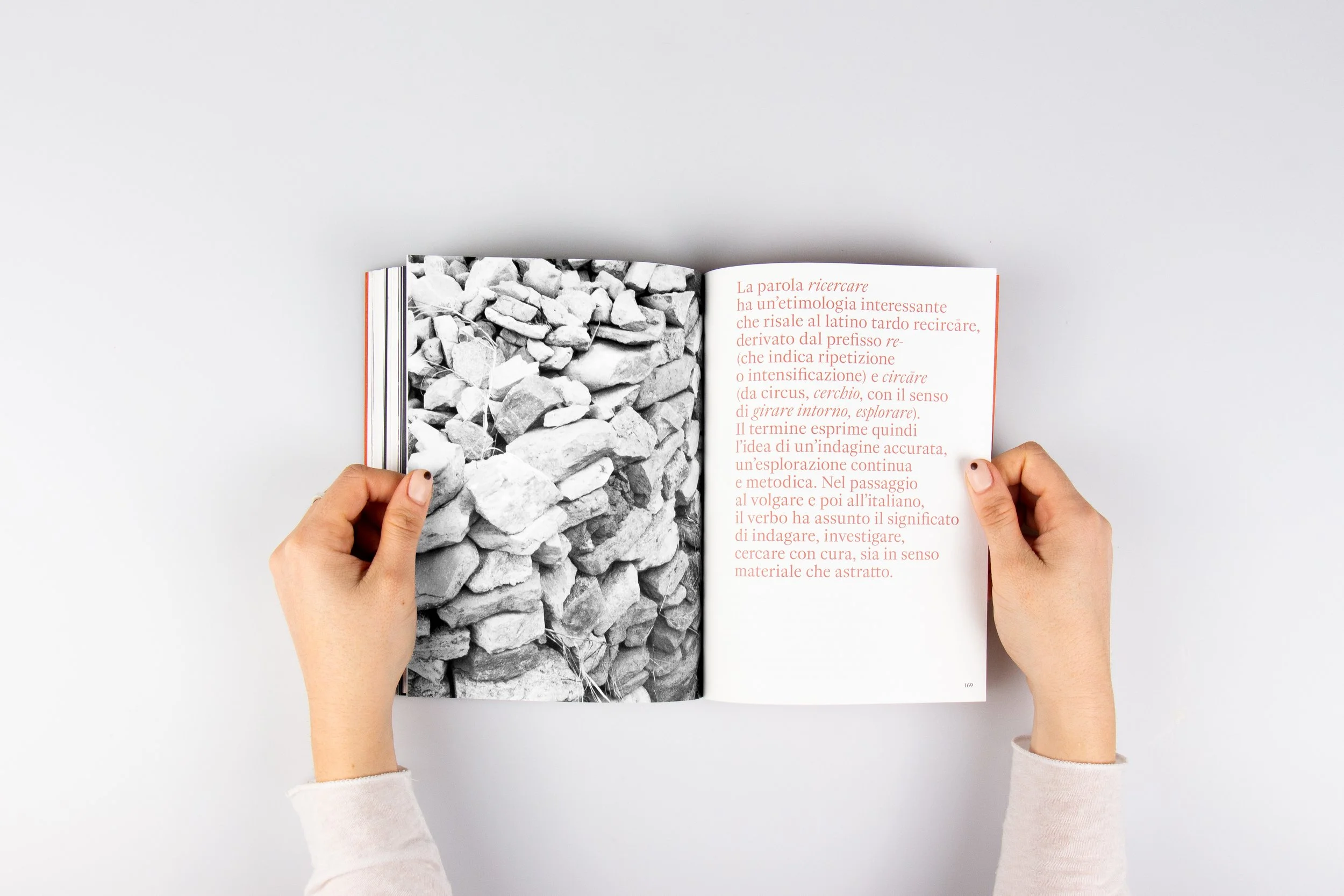
Questa tesi è il racconto di un luogo che vive nel silenzio, un angolo che custodisce memorie dimenticate e frammenti di storie sospese nel tempo. Castiglione di Roncofreddo, la terra in cui abito da dodici anni, è fatta della stessa materia dei suoi ruderi, delle sue tracce appena visibili e dei reperti che riaffiorano dalla terra dopo le arature. Ogni frammento raccolto, ogni documento ingiallito dal tempo è stato un passo verso la riscoperta di ciò che è stato, verso la ricostruzione di un passato che ancora vibra sotto la superficie.
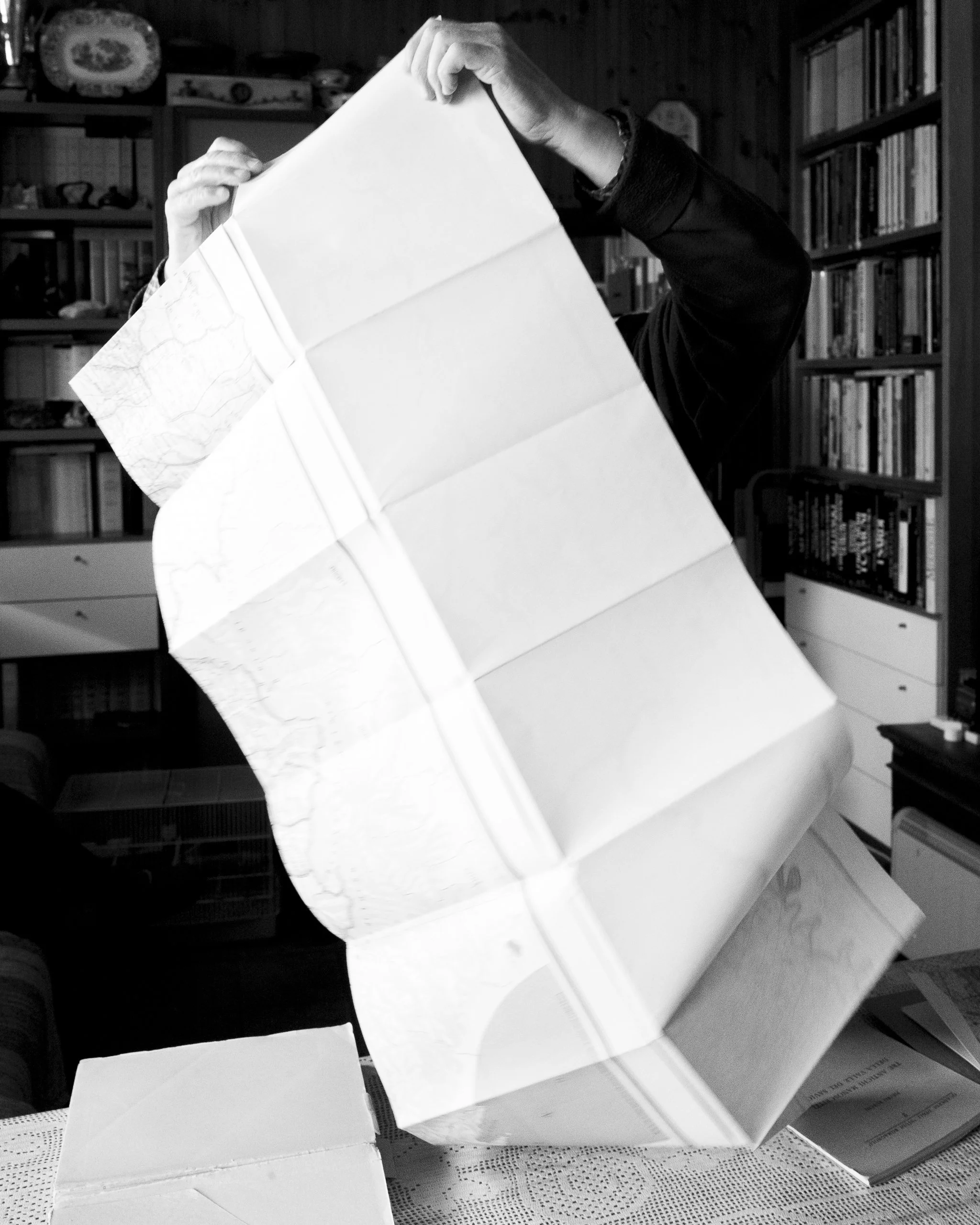
La mia ricerca è iniziata da una semplice domanda: cosa c’era prima di un campo? Questo interrogativo affonda le radici nella curiosità di mia madre, che per prima ha iniziato a raccogliere e preservare molto del materiale da cui ha preso vita l’indagine. Da lì è nato un viaggio tra antiche mappe, catasti dimenticati, fotografie di volti ormai svaniti e testimonianze di chi ha abitato questi luoghi prima di me. La mia abitazione, un tempo situata in via Palazzo, custodisce una storia che risale ben oltre il 1600. Ma la mia ricerca non si limita alla storia della mia casa: scavando tra documenti e antiche annotazioni, emergono riferimenti al castello di Castellione, risalente al 1136. Un castello perduto che, passo dopo passo, cerco di riportare alla luce, ricostruendo dove si trovasse e quale fosse il suo legame con la mia abitazione.
Esplorare questo passato è diventato un bisogno, un legame che si è intrecciato alla mia vita giorno dopo giorno. Non ho radici familiari qui, ma con il tempo Castiglione è diventata parte della mia ricerca fotografica. Le voci degli ultimi abitanti si sono fatte guida nel mio percorso: ricordi frammentati, parole sussurrate, storie tramandate come fili sottili che legano passato e presente. Un nome pronunciato, un volto intravisto in una fotografia sbiadita, una torretta che forse esisteva davvero: ogni tassello si aggiunge agli altri, in un racconto che si compone attraverso il tempo.
Questo lavoro non segue un ordine rigido, perché la storia non si lascia imbrigliare, ma scorre come il fiume Rigossa, che attraversa la valle fino a Castiglione. Questa ricerca è un atto di cura verso un luogo che merita di essere ascoltato. Anche nel silenzio dell’abbandono, Castiglione continua a raccontarsi a chi ha la pazienza di fermarsi e ascoltare. È stato il mio modo di tessere nuovamente le trame di un luogo che rischiava di perdersi, restituendo a queste terre la memoria che meritano e riportando forse alla luce l'identità dell'antico castello di Castiglione di Roncofreddo.
###
This project is the story of a place that lives in silence—a corner of the world that preserves forgotten memories and fragments of stories suspended in time. Castiglione di Roncofreddo, the land where I have lived for twelve years, is made of the same substance as its ruins, its barely visible traces, and the artifacts that resurface from the soil after plowing. Every fragment collected and every document yellowed by time has been a step toward rediscovering what once was, reconstructing a past that still vibrates beneath the surface.
My research began with a simple question: what existed before this field? This inquiry is rooted in my mother’s curiosity; she was the first to begin collecting and preserving much of the material from which this investigation grew. From there, it evolved into a journey through ancient maps, forgotten land registries, photographs of long-vanished faces, and the testimonies of those who inhabited these places before me. My home, once located in via Palazzo, holds a history dating back well beyond 1600. Yet, my investigation is not limited to the history of my house; by digging through archives and ancient annotations, references emerge to the castle of Castellione, dating back to 1136. A lost castle that I seek to bring to light, step by step, reconstructing its location and its historical bond with my own dwelling.
Exploring this past has become a necessity—a connection woven into my daily life. Although I have no family roots here, over time Castiglione has become an integral part of my photographic research. The voices of the last inhabitants have served as my guide: fragmented memories, whispered words, and stories handed down like thin threads connecting past and present. A spoken name, a face glimpsed in a faded photograph, a turret that perhaps truly existed—each piece adds to a narrative that unfolds through time.
This work does not follow a rigid order, for history cannot be easily harnessed; instead, it flows like the Rigossa river as it crosses the valley toward Castiglione. This research is an act of care toward a place that deserves to be heard. Even in the silence of abandonment, Castiglione continues to speak to those who have the patience to stop and listen. It is my way of reweaving the fabric of a place that was at risk of being lost, restoring to these lands the memory they deserve and maybe bringing to light the identity of the ancient castle of Castiglione di Roncofreddo.